
Botswana's president, Duma Boko, named the Global Diamond Consortium as the government's preferred buyer for De Beers in his State of the Nation address on November 9. The group is led by Gareth Penny, a former De Beers chief executive, and it is negotiating to buy Anglo American's 85 percent stake. Bloomberg reported a valuation of about $1 billion, with extra payments tied to future performance. Anglo has already written De Beers down three times, to a carrying value of $2.3 billion.
Under the plan Botswana would double its own holding from 15 percent to 30 percent. "Botswana will become the single largest shareholder in De Beers," Boko said. Namibia, Angola and Oman would also take part, and Richemont, which owns Cartier and Van Cleef & Arpels, and the jewelry retailer Signet are reported to be in talks to join. Nothing is signed. Penny said the consortium is focused on finalizing agreements with Anglo American as soon as possible.
The word "diamond"
The next day, at the Paris Peace Forum, France and Botswana signed the Paris Declaration on Natural Diamonds. Its core is a sentence about language: the two governments agree on the need for clear, accurate and consistent terminology, with the term "diamond" referring specifically to a natural diamond. Bogolo Joy Kenewendo, Botswana's minister of minerals, signed for Botswana, and Nicolas Forissier, France's minister for foreign trade, signed for France. Other countries were invited to join.
The industry is betting that the word itself is worth protecting. A lab-grown stone is chemically a diamond and sells for a small fraction of the price of a mined one. Producers want shoppers to hear "diamond" and think "mined," and to hear "lab-grown" as something else. Boko said in the same speech that De Beers "stopped telling the natural diamonds story," and the consortium has said it plans new marketing to rebuild demand for natural stones. The declaration is a statement of intent, not a law in either country.
The industry is betting that the word itself is worth protecting.
What the stones themselves did
Prices tell a less flattering story. According to Rapaport, which publishes the trade's benchmark price list, its index for 0.30-carat round diamonds fell 5.5 percent in October and the 0.50-carat index fell 2.3 percent. The 1-carat index slipped 0.9 percent and the 3-carat index rose 0.9 percent. Rapaport put the cause plainly: cutters made far more small stones after prices recovered over the summer, and the listed supply of 0.30-carat rounds on its trading network rose 165 percent between June 1 and November 1. These are dealer asking prices, not what a jeweler charges you.
Rapaport's weekly report on November 12 said the same pattern held into November: stones from 0.30 to 0.69 carats still falling, 1 to 1.99 carats stabilizing, 2 carats and up steady. It also described American retail as upbeat before Thanksgiving, with jewelry between $3,000 and $5,000 selling best.
The same report noted that natural diamonds were regaining ground from lab-grown stones at American counters, and that in Hong Kong, buyers treated only large, high-quality stones of 3 carats and up as something to hold, with goods under a carat weak. Brilliant Earth, which sells both, reported third-quarter sales up 2.3 percent to $113 million, according to Rapaport. None of that is a boom. It reads like a market where shoppers are buying fewer, better stones, and where the bottom end is crowded.
What it means for what you own
Our read: none of this week's politics changes what a small diamond is worth on the resale market, and the trade data says small natural stones are in oversupply. If you own a ring or pendant set with stones under half a carat and no famous name on it, expect secondhand offers to stay soft. The value in those pieces is mostly the setting and the brand.
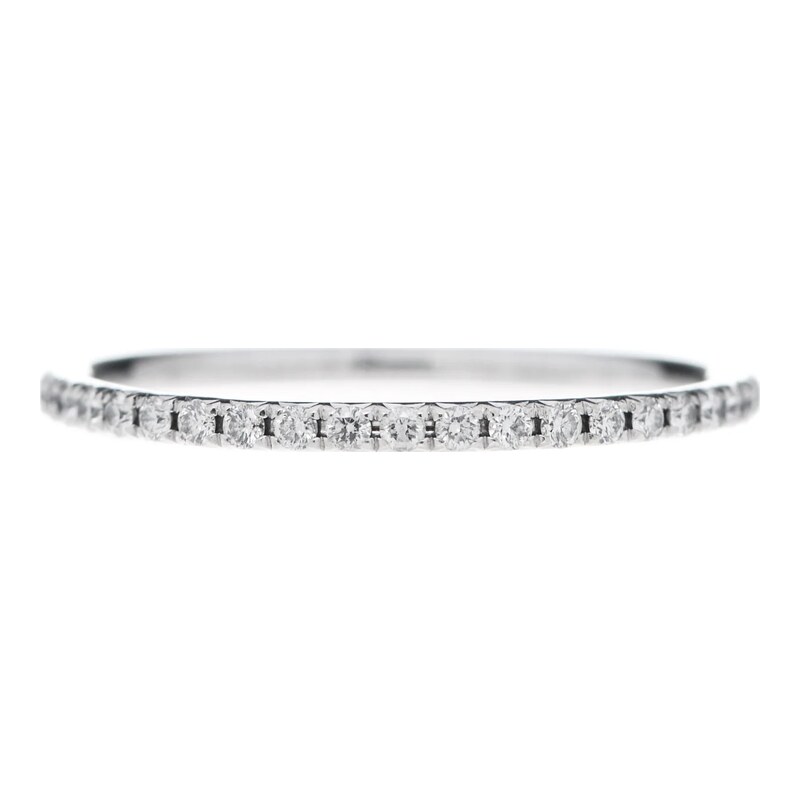
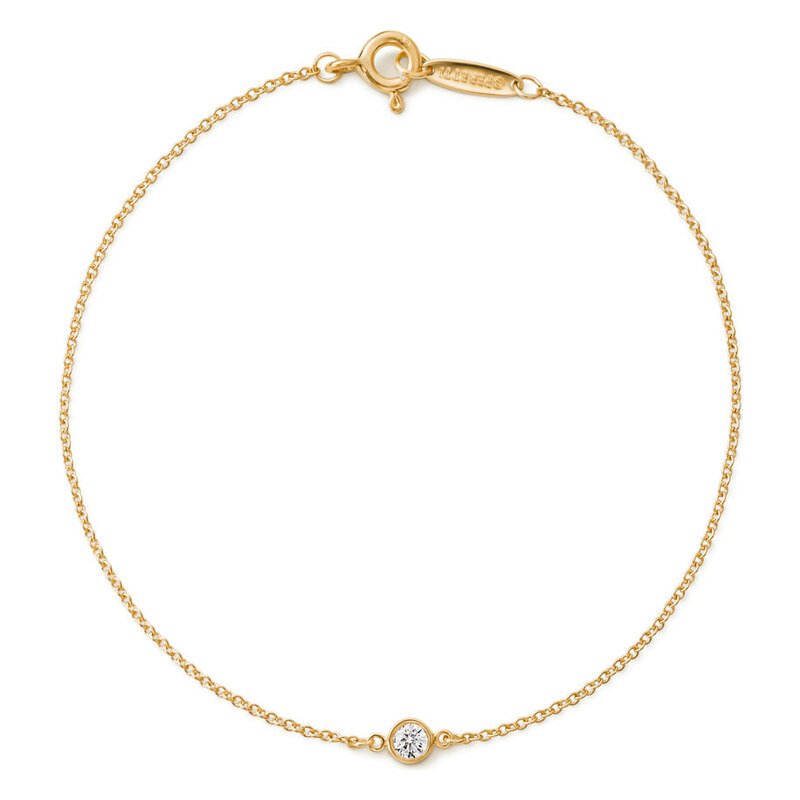
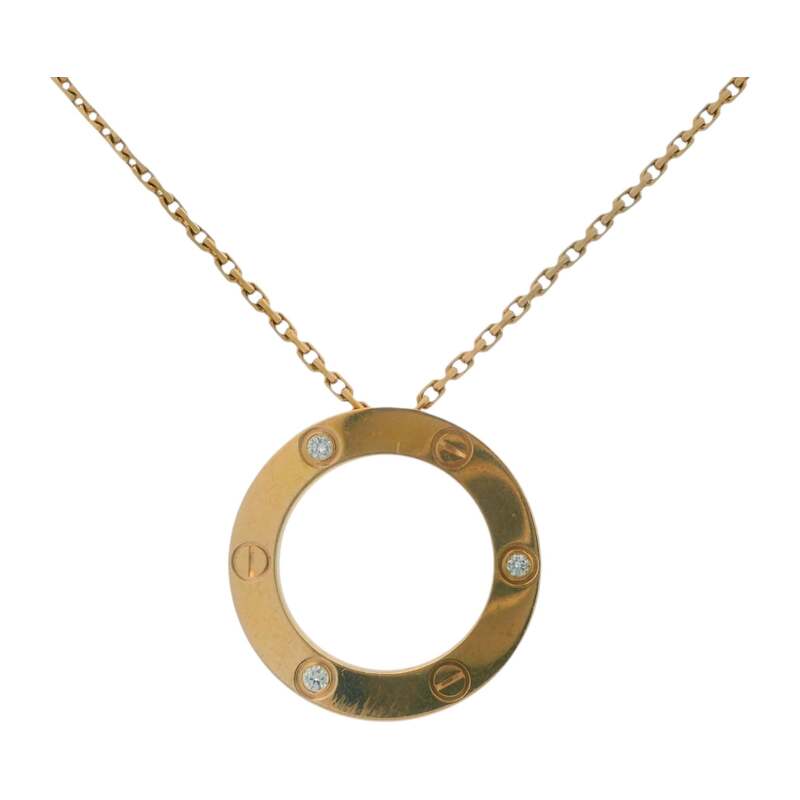
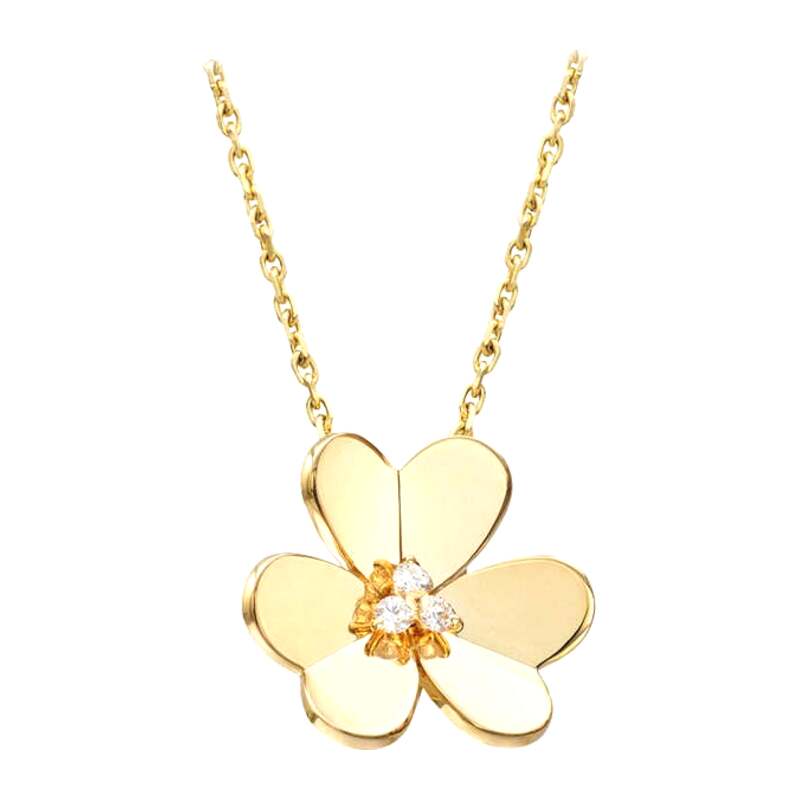
Branded pieces with small diamonds behave differently, because buyers pay for the design rather than the carat weight. A Tiffany Metro ring in white gold with diamonds trades at about $1,700 on Jewl, an Elsa Peretti Diamonds by the Yard bracelet in yellow gold at about $950, a Cartier Love necklace with three diamonds at about $4,900 and a Van Cleef & Arpels Frivole pendant, mini model, at about $4,350. If you are shopping for a loose stone this season, the oversupply sits at the small end, so that is where a jeweler has room to move on price. At 2 carats and up, expect firm quotes.
Sources
- Rapaport, “Prices of Smaller Diamonds Decline as Inventories Grow”
- Rapaport, “Market Comment: November 12, 2026”
- JCK, “Botswana's 30% De Beers Stake Announced by President Boko”
- Miningmx, “Consortium leading De Beers bid plans marketing push to counter lab-grown gems”
- JCK, “France and Botswana sign the Paris Declaration on Natural Diamonds”
- Rapaport, “France and Botswana Ink Declaration to Use 'Diamond' Only for Natural”
- Africa Briefing, “Botswana targets 30 percent De Beers stake”